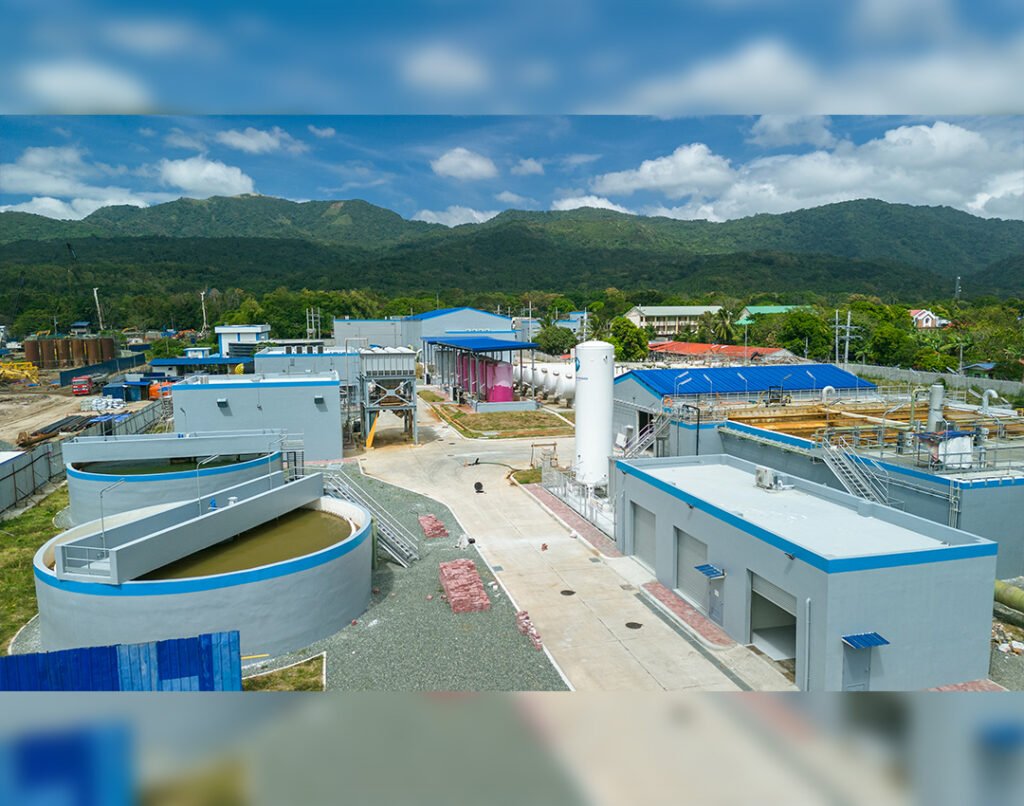

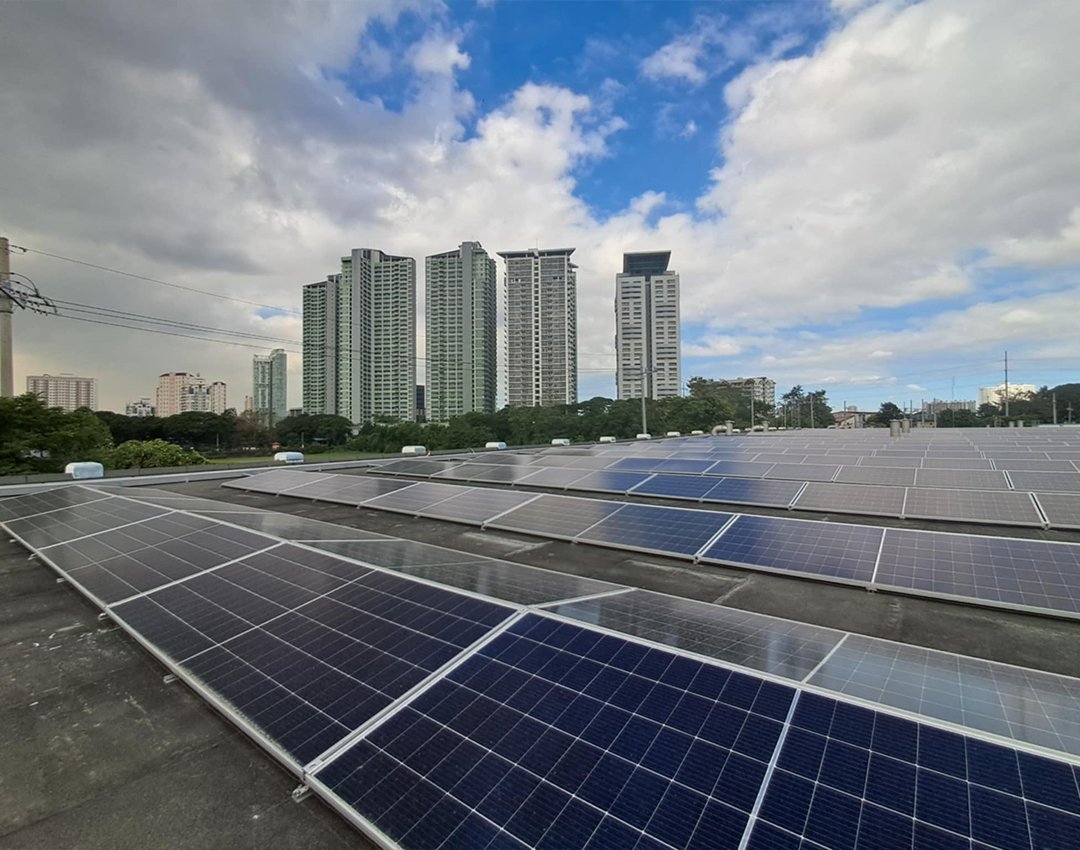
In photo: Manila Water’s solar facility at its San Juan Compound.
As El Niño and power supply pressures drive higher energy demand, Manila Water continues to expand its renewable energy use to support efficient and more sustainable operations.
Amid prolonged dry conditions linked to El Niño and ongoing pressures from the country’s National Energy Emergency, Manila Water is strengthening how it powers its operations by scaling up renewable energy and improving energy efficiency across its facilities.
These conditions have driven higher electricity demand and elevated power costs nationwide, while also increasing the energy requirements of water utilities for pumping, treatment, and distribution. In response, Manila Water has been working to reduce its dependence on the grid while improving how energy is managed and used across its systems.
Guiding this effort is the Manila Water Energy Masterplan 2024–2046, which lays out how the company will address long-term demand, price volatility, and climate-related risks. The plan targets reducing up to 40 percent of projected energy demand while moving toward a fully renewable energy supply. It also aims to cut carbon emissions by up to 100,000 tons by 2030, linking energy management more closely with operational resilience and cost stability, especially during periods of supply constraints.
Results are already being seen across its business units. From 2021 to 2025, energy efficiency projects delivered significant savings. Cebu Water reduced consumption by 10.1 million kWh through pipeline descaling and the integration of variable frequency drives, while Tagum Water saved 9.5 million kWh using an energy-efficient river filtration and recharge system. In Boracay, operational improvements and demand-side measures led to 2.9 million kWh in savings, and South Luzon Water recorded 0.7 million kWh from system upgrades and solar integration. These initiatives have helped manage operating costs while easing demand on the power grid during peak periods.
At the same time, Manila Water is expanding its renewable energy footprint. The company currently operates a combined 2.5 MWp of rooftop solar installations across key facilities. Additional capacity is set to be energized, with 3.8 MWp across 10 sites and a further 6 MWp in 12 facilities. Increasing the share of renewable energy helps stabilize energy costs, reduce exposure to market volatility, and provide a more reliable source of power during periods of tight supply.
These efforts complement broader national measures to manage energy supply and demand. Manila Water has also supported improvements to the Retail Aggregation Program, which enables groups of consumers to access more flexible and competitive electricity supply, contributing to a more responsive energy market.
“Our shift to renewable energy is not just a business decision. It reflects a deliberate effort to operate more sustainably while preparing the company for future challenges. By investing in cleaner and more reliable energy sources, we are strengthening our operations in a way that supports both long-term service delivery and environmental responsibility,” said Dittie Galang, Manila Water’s Corporate Communication Affairs Group Head.
Through these combined initiatives, Manila Water continues to strengthen its operations by reducing energy demand, diversifying its power sources, and accelerating its transition to renewable energy. This approach supports reliable water service delivery while responding to both immediate energy pressures and longer-term climate-related challenges.
 368
368