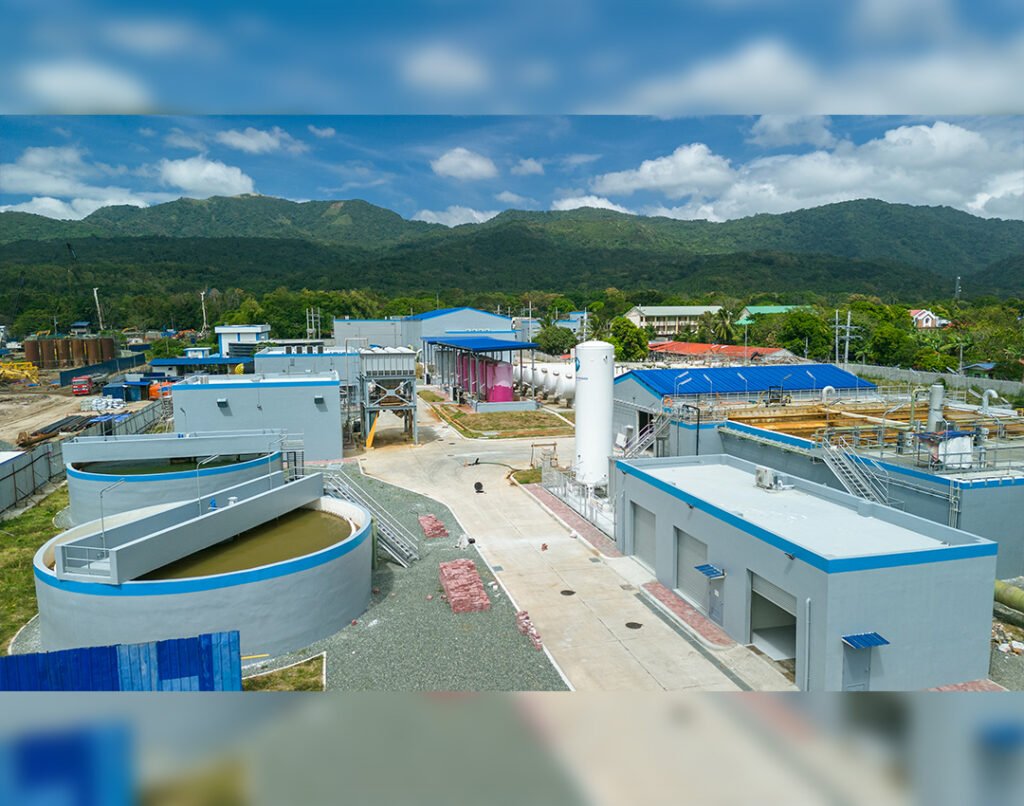

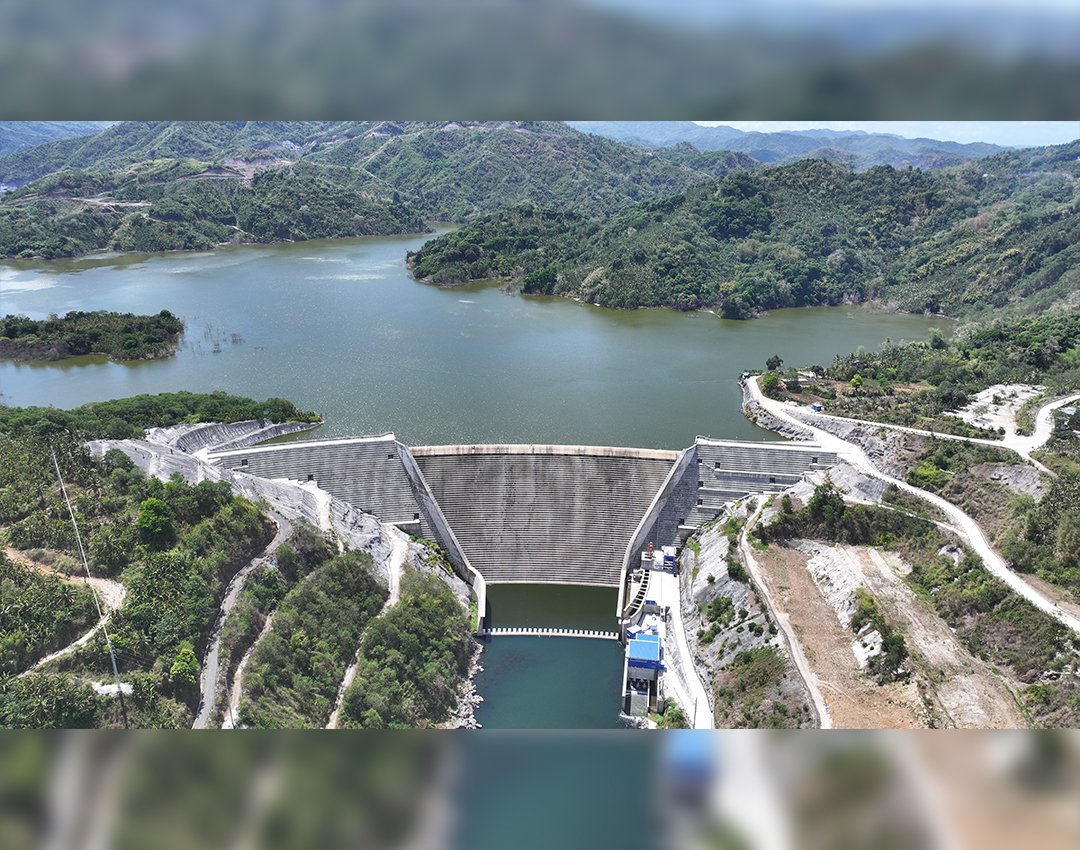
East Zone concessionaire Manila Water has begun drawing supply from the Upper Wawa Dam to support operations of the Calawis Water Treatment Plant (WTP) in Antipolo City.
During this transition period, the Calawis WTP is now receiving an average of 25-30 million liters of raw water per day (MLD) from Upper Wawa Dam, benefiting around 14,000-17,000 water service connections, or an estimated 84,000-102,000 residents in Antipolo City.
East Zone concessionaire Manila Water has begun drawing water supply from the Upper Wawa Dam to support operations of its Calawis Water Treatment Plant (WTP) in Antipolo City, reinforcing the Company’s commitment to strengthening system reliability, continuous 24/7 water service, and securing long-term water availability for its customers.
This development forms part of Manila Water’s long-term strategy to build a more balanced and dependable water supply system, one that reduces overreliance on any single source while ensuring operational stability even during periods of peak demand and extreme weather.
During this transition period, the Calawis WTP is now receiving an average of 25-30 million liters of raw water per day (MLD), benefiting around 14,000-17,000 water service connections, or an estimated 84,000-102,000 residents in Antipolo City. Once fully utilized, the Calawis WTP can treat 80MLD of water, which will serve 900,000 customers in Antipolo City and nearby municipalities.
By tapping Upper Wawa Dam as a dedicated alternative source, Manila Water is easing its dependence on Angat Dam, Metro Manila’s primary water reservoir, which typically faces mounting pressure during the summer months. With Angat’s water levels declining in recent days amid extreme heat conditions, the availability of Upper Wawa provides a crucial layer of protection, helping stabilize supply and ensuring customers continue to receive reliable water service even as traditional sources tighten.
The integration of Upper Wawa Dam into the supply portfolio strengthens system resilience by spreading demand across multiple sources. This diversification reduces vulnerability to seasonal fluctuations, climate-driven stress, and operational risks, while supporting national efforts to promote long-term water security. More importantly, it ensures that communities served by Manila Water are shielded from supply disruptions during the driest and hottest periods of the year.
Optimizing the use of Upper Wawa Dam also allows Manila Water to responsibly manage and protect its wider network of facilities. With Calawis WTP shifting its raw water intake from smaller sources such as Tayabasan Weir, pressure on these facilities is reduced, improving overall operational reliability and system flexibility. This approach enables Manila Water to respond more effectively to changing water conditions while safeguarding critical water assets.
Looking ahead, Manila Water is preparing for the completion of the Kaysakat Water Treatment Plant, which will also draw from the Upper Wawa Dam and is targeted for completion in October 2026. Once operational, the facility is expected to significantly expand supply capacity, with total production projected to reach up to 220 million liters per day. This additional capacity will extend reliable water service to more towns in Rizal Province, further embedding Upper Wawa Damas a cornerstone of the region’s water system.
“These developments reflect our sustained investments in building a reliable and resilient water supply system. By reinforcing our sources beyond Angat and harnessing the full potential of Upper Wawa, we are putting in place an inter-generational asset that ensures safe, stable, and dependable water for current and future communities,” said Joe Costales, General Manager of WawaJVCo.
 332
332