
MANILA, Philippines — As the El Niño season continues to challenge water availability, sustainable resource use and conservation becomes increasingly important. SM Supermalls remains committed to responsible water stewardship through its conservation practices, supporting the sustainability of local water tables in communities it serves.
Water sustainability at scale
According to the Philippine Atmospheric, Geophysical and Astronomical Services Administration, a strong or very strong El Niño has developed in the tropical Pacific, with models indicating it will persist until early next year. The prolonged conditions can bring severe risks to the country’s water resources.
As a shared resource, SM believes that water is essential to supporting businesses and livelihood. Across its nationwide network of most-loved malls, it continually increases efficiency of water use through resource management facilities at scale.
“Water resilience requires proactive action, especially as the country continues to experience climate conditions such as El Nino. SM Supermalls continues to advance its operational efficiencies to anticipate water-related risks,” said Liza B. Silerio, SM Supermalls Vice President for Corporate Compliance and Sustainability.
SM employs three main methods in its approach to sustainable water use: resource harvesting, water saving, and water recycling.
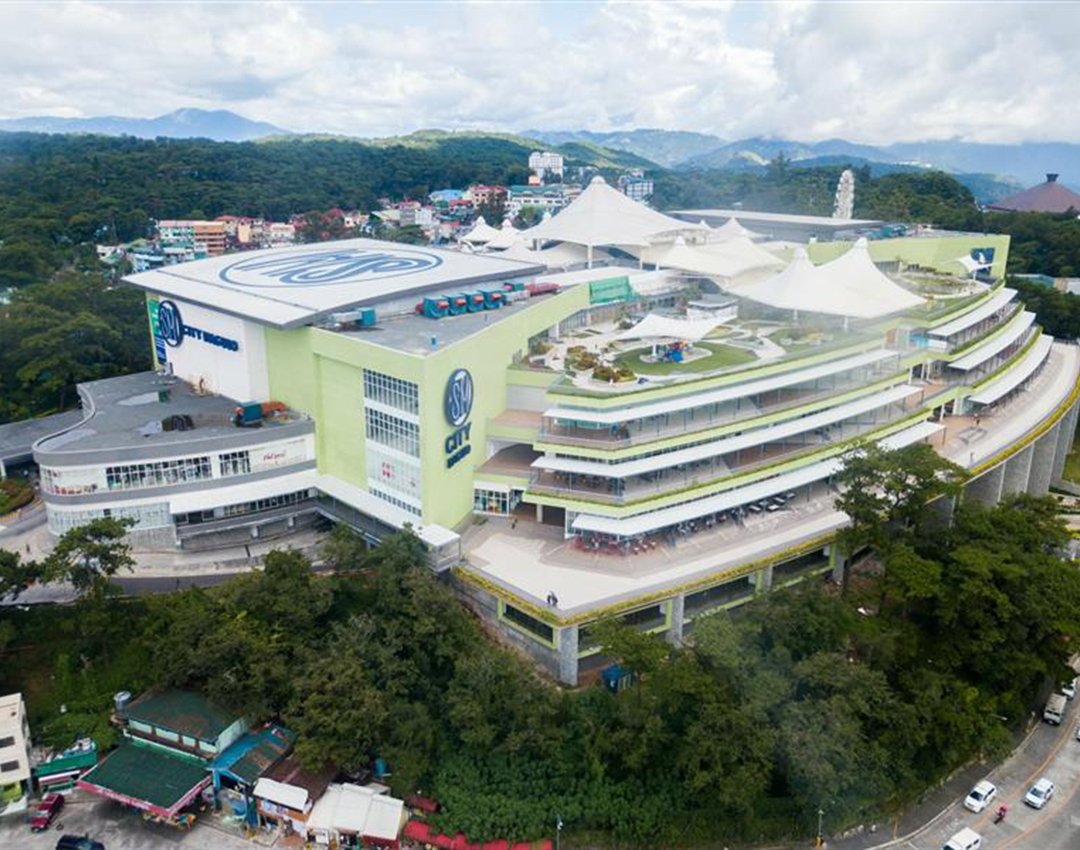
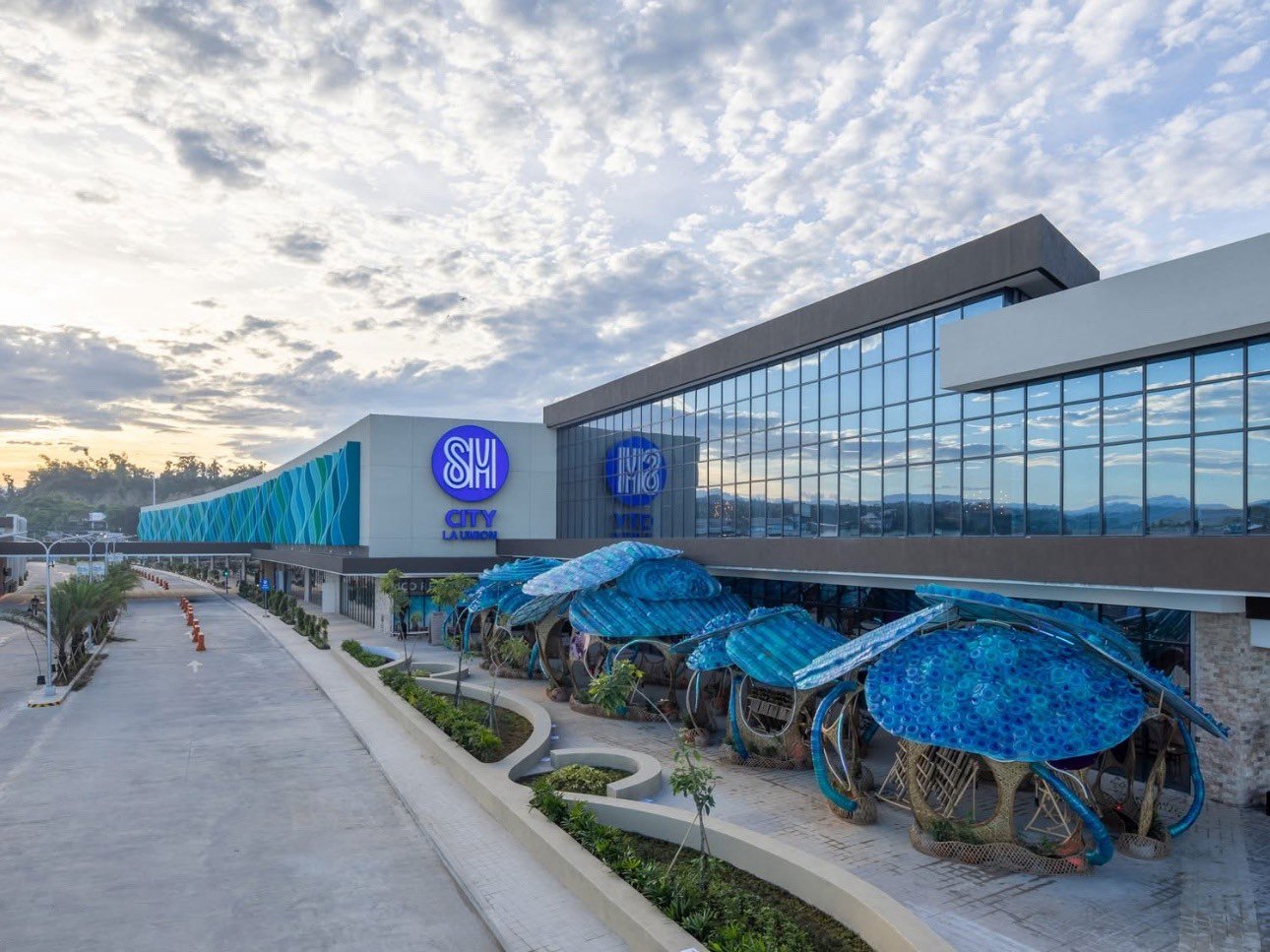
SM’s Rainwater Treatment Facility in SM City Baguio collects and processes rainwater for kitchen use for tenants. The facility processed more than 19 million liters of water in 2025. SM City La Union’s 760-cubic meter Rainwater Catchment System supports both flood mitigation and water recovery. Through its multi-stage filtration system utilizing reverse osmosis technology, it can convert recovered water into potable water. All SM malls are equipped with water-saving implements such as no-touch sensor type faucets that automatically shut off water outflow if not in use.
The water recycling systems of SM Supermalls in the 1990s started the mall operator’s water conservation efforts to support community water tables through resource management, and the Philippine Clean Water Act (RA 9275).
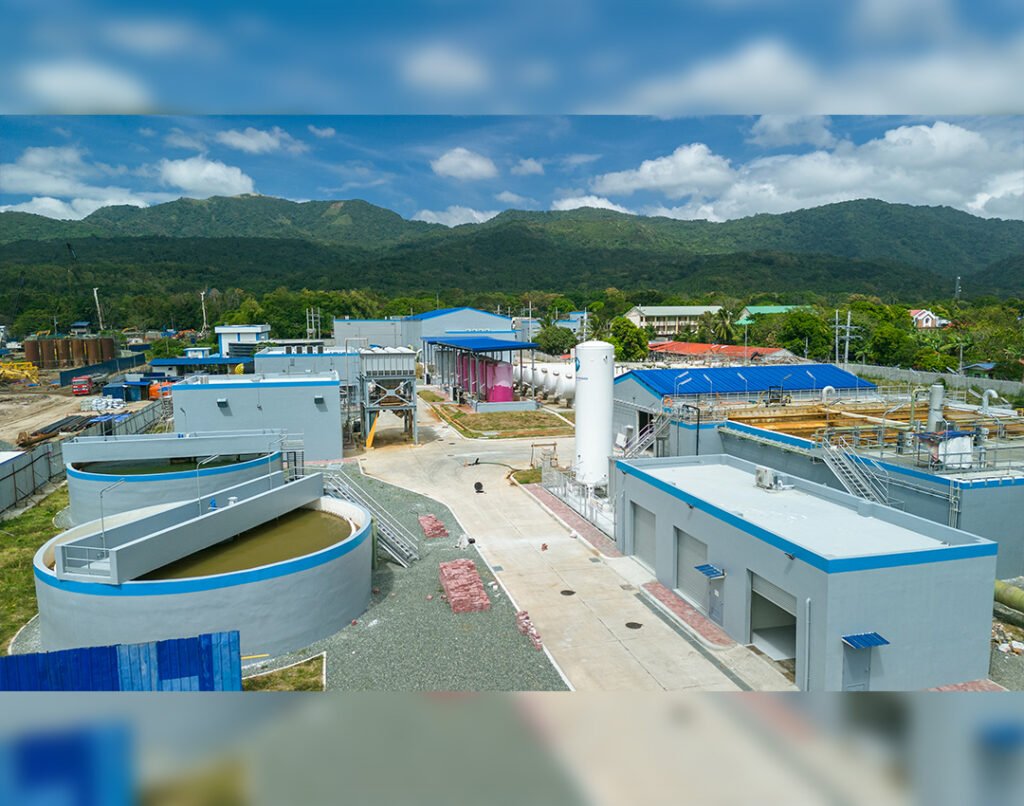
At present, SM Supermalls recycled about 6.6 million cubic meters of wastewater—equivalent to almost 2,700 Olympic-sized swimming pools—across its properties in 2025. Its sewage treatment plants convert wastewater into reusable water for non-potable uses such as sanitation and irrigation, helping reduce overall consumption.
SM continues to advance water sustainability by aligning conservation efforts with the United Nations Sustainable Development Goal 6. As part of the SM Green Movement, the malls continue to champion responsible use of water to its stakeholders to create greater collective impact.
“Through our collective water stewardship efforts, SM Supermalls can help reduce pressure on local water resources and support long-term water security for the communities we serve,” Silerio concluded.
Be part of the SM Green Movement. Together, we can conserve energy, protect our water resources, and reduce waste. These efforts will help create eco-friendly communities for generations to come.
 387
387