

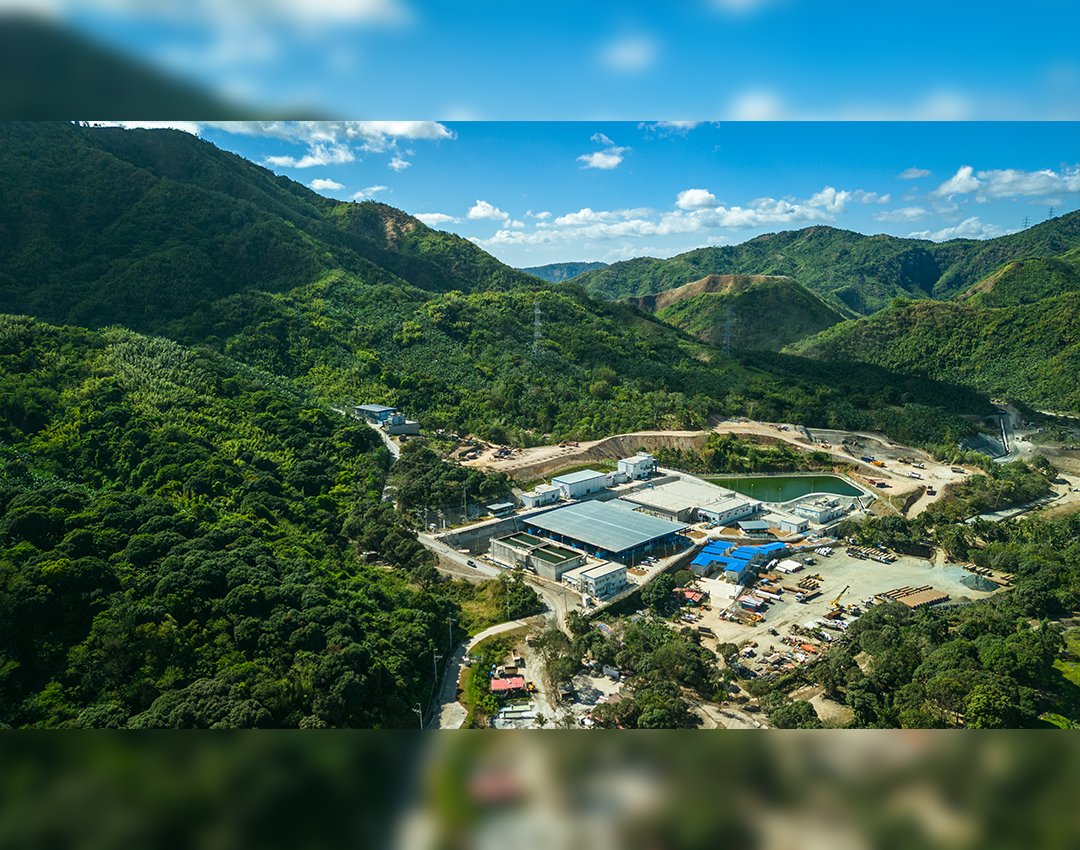
Part of Manila Water’s supply diversification program, the Calawis Water Treatment Plant provides treated and potable water to more than 900,000 customers while enhancing the company’s preparedness for prolonged dry weather and strong El Niño conditions.
As Manila Water prepares for the looming strong El Niño conditions that may extend into the first semester of 2027, the company continues to strengthen its water supply resilience by leveraging the capacity of its 80-million-liter-per-day (MLD) Calawis Water Treatment Plant (WTP) in Antipolo City. The facility serves as a critical additional water source that helps reduce reliance on Angat Dam and fortifies the company’s ability to maintain reliable water service amid prolonged dry weather conditions.
Located in Barangay Calawis, Antipolo City, the treatment plant sources raw water from the Tayabasan River in the Upper Marikina Basin as part of Manila Water’s Wawa-Calawis Water System. The facility plays a critical role in diversifying Manila Water’s water sources, helping reduce dependence on Angat Dam and strengthening supply reliability amid climate variability and the anticipated strong El Niño.
Part of the Php8.2-billion Calawis Water System Project, the facility delivers treated and potable water to more than 900,000 customers in Antipolo City and nearby areas. By bringing water production closer to customers, the project improves distribution efficiency, stabilizes pressure, and supports service reliability in upland communities, particularly during the summer months when water consumption typically increases.
The Calawis Water System Project includes an 80-MLD water treatment plant, pumping stations, reservoirs, and approximately 21 kilometers of primary transmission pipelines. Together, these facilities provide additional water supply capacity that helps cushion customers from the impacts of prolonged dry spells while reducing dependence on a single source of water.
“Preparing for a strong El Niño requires maximizing available water sources and continuously diversifying supply. The Calawis Water Treatment Plant plays a vital role in boosting our preparedness by augmenting raw water sources that help reduce reliance on Angat Dam and enhance our ability to deliver reliable service even during challenging climate conditions,” said Dittie Galang, Communication Affairs Group Head of Manila Water.
Beyond strengthening water availability today, the facility supports Manila Water’s long-term strategy of building a more climate-resilient and sustainable water system for East Zone customers. The company also continues to support watershed protection and reforestation initiatives within the Upper Marikina Watershed to help safeguard the long-term viability of the Tayabasan River as a water source.
The Calawis Water Treatment Plant forms part of Manila Water’s broader water supply resilience program, which includes investments in additional sources across Laguna Lake and the Upper Wawa watershed. By continuing to diversify water sources and reduce dependence on traditional supply systems, Manila Water is strengthening water security for the growing communities it serves and reinforcing its preparedness for the anticipated strong El Niño conditions until 2027.
 68